Science Fair Board Layout
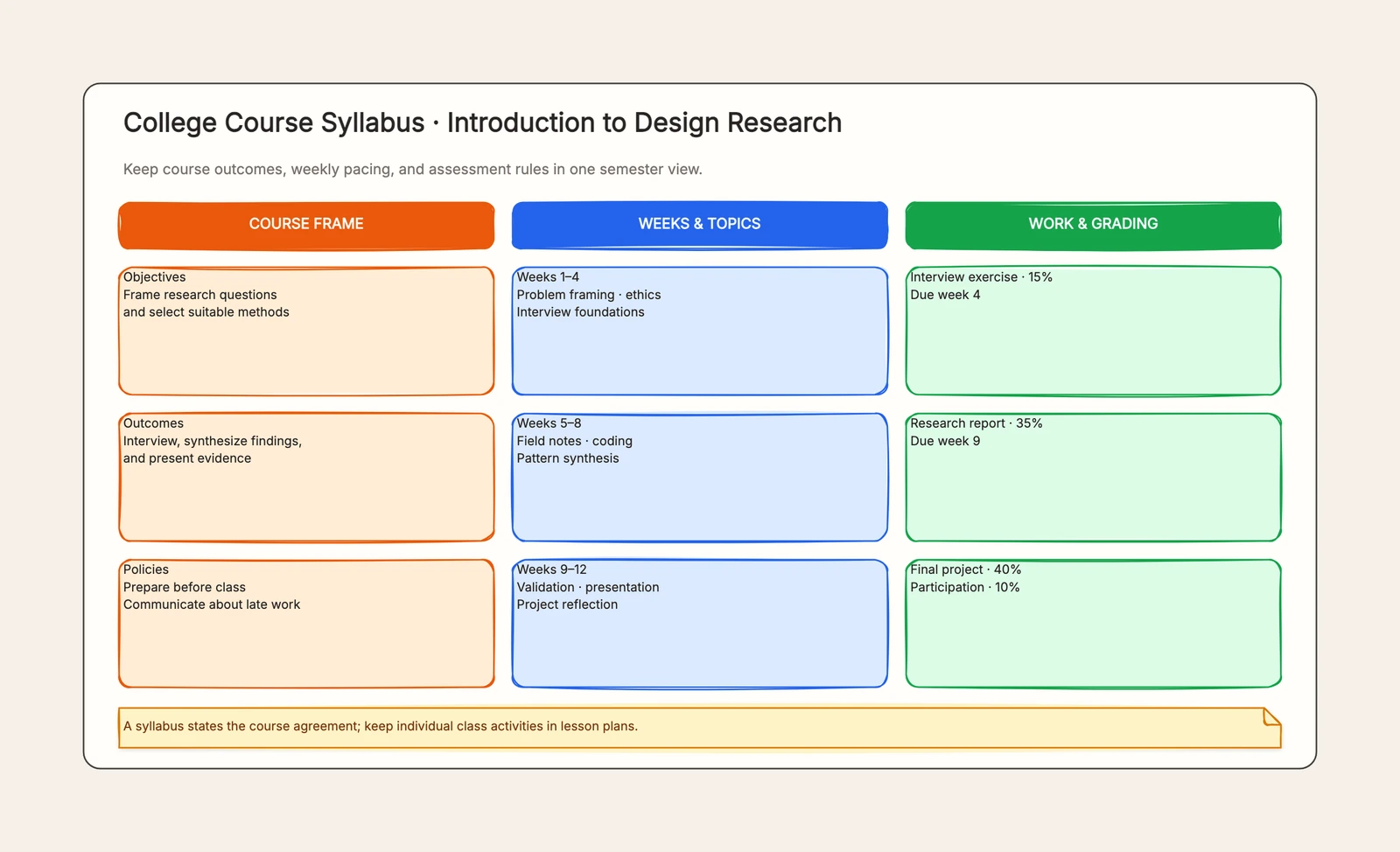
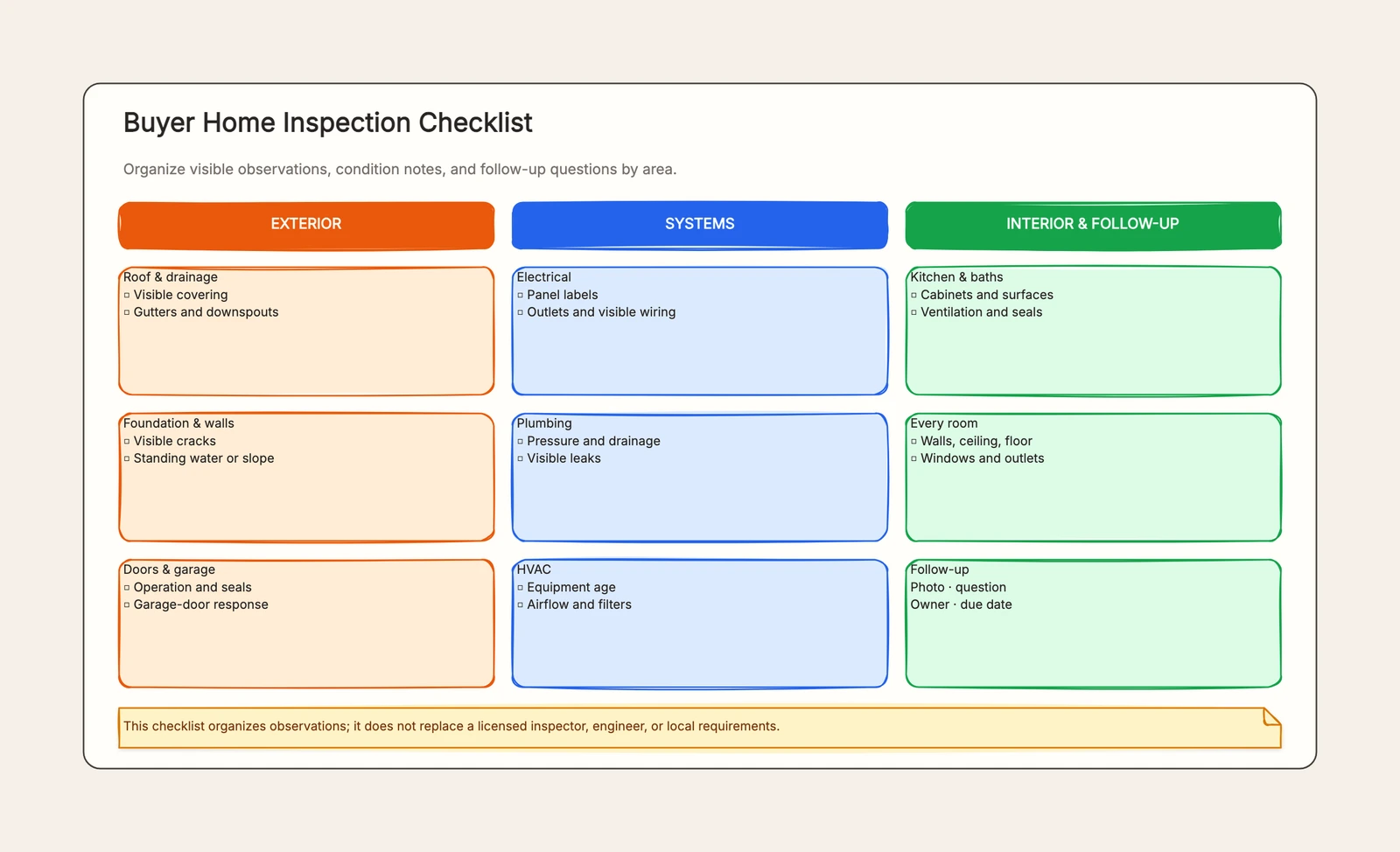
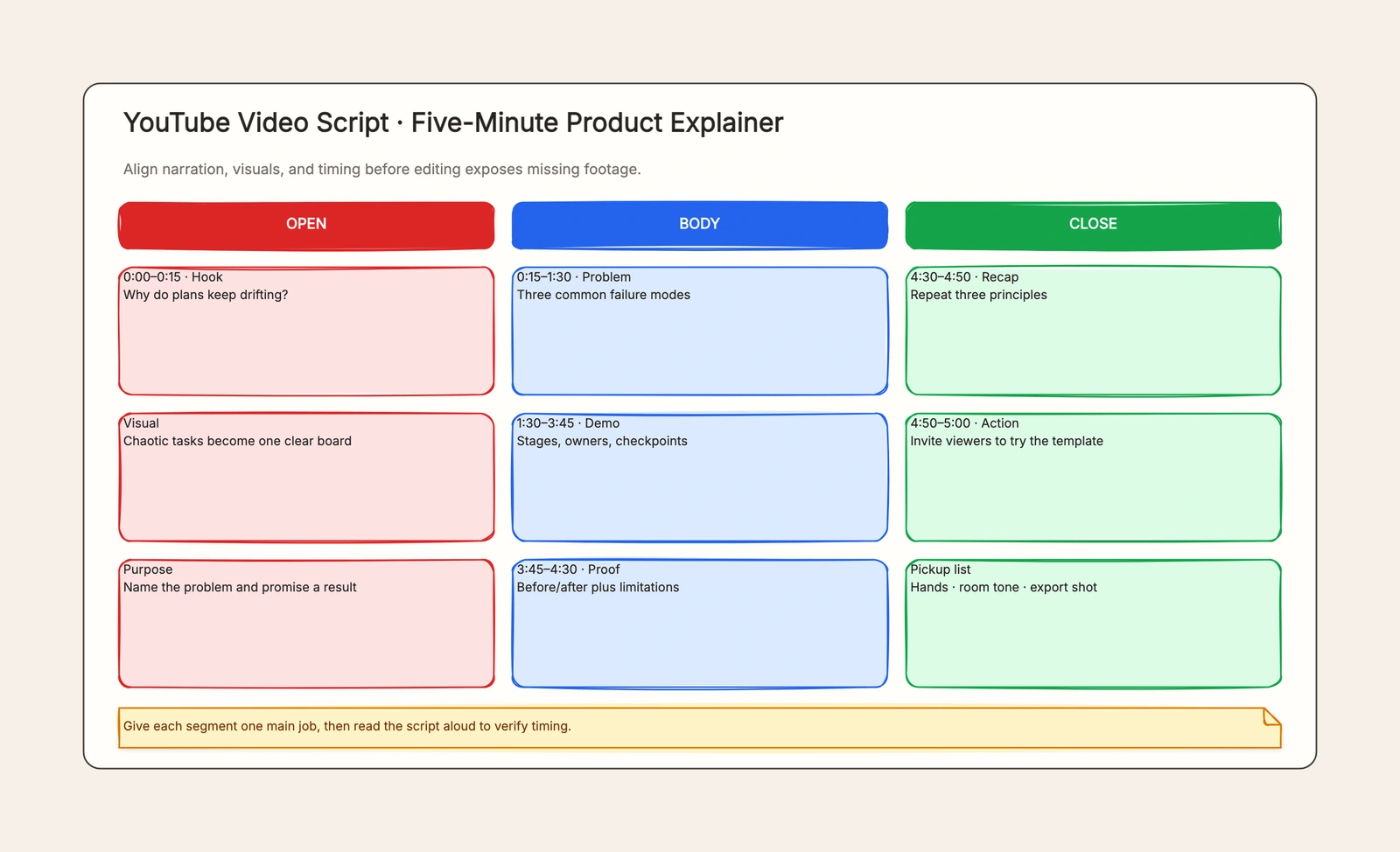
An editable science fair board layout with three tri-fold examples: a controlled paper-bridge experiment, an elementary plant-growth project, and a water-filter engineering design. Organize questions, methods, evidence, and conclusions before printing. No signup required.
Use this templateWhat you get
- Three complete boards for a controlled experiment, elementary project, and engineering design
- Readable tri-fold hierarchy for question, method, data, images, conclusion, and next steps
- Concrete sample content shows how much detail belongs in each section
What this template is for
A science fair board should let a visitor understand the question, method, evidence, and conclusion without reading a report from start to finish. This editable layout set includes a standard tri-fold experiment about paper bridge strength, an elementary plant-growth project, and an engineering design board for a water filter. The sample content is concrete enough to demonstrate hierarchy: the title and research question lead, methods and evidence occupy the widest center panel, and the conclusion sits close to the results. Replace the examples with your own work, then shorten every section until the most important comparison is visible from a few steps away. The board organizes your presentation; it does not validate your experiment or replace the rules from your school or fair.
When to use this template
- Lay out a controlled experiment on a standard tri-fold board.
- Help an elementary student turn a project log into short sections.
- Present an engineering design–test–redesign cycle.
- Decide where charts, photos, and data tables should go before printing.
- Check that the conclusion directly answers the original question.
How to use it
- 1Write the research question and one-sentence answer first.
- 2Group background and hypothesis on the left panel.
- 3Put method and the strongest data in the center.
- 4Place results, conclusion, and next question on the right.
- 5Replace long paragraphs with bullets, charts, or labeled images.
- 6Review your fair's size, citation, and safety requirements before printing.
Quick example
Paper bridge board
Related resources
How it compares to similar tools
Science experiment board
Organize question, hypothesis, controlled method, results, and conclusion around evidence from repeated trials.
Engineering design board
Organize problem, criteria, design, test evidence, redesign, and claim around how the solution improved.
Board vs. written report
The report preserves detail and citations. The board is a visual summary that helps a visitor understand and discuss the project quickly.
Common mistakes to avoid
A wall of paragraph text
Visitors scan before they read. Convert procedures to numbered steps and make the main result a chart or short comparison.
Conclusion without data
State the measured evidence that supports—or does not support—the hypothesis instead of writing only that the project worked.
Decorations compete with evidence
Use color to group sections and emphasize the result, not to fill every empty space.
Sections follow printing order, not reading order
Arrange the board as a left-to-right argument: question, method, evidence, conclusion.
Frequently asked questions
What should be on a science fair board?+
Most experiment boards include a title, question, background, hypothesis, materials or method, results, conclusion, and sources. Follow your fair's required sections.
Where should the results go?+
Put the strongest chart, table, or comparison near the center where it is seen first, with the conclusion close enough to connect claim and evidence.
How much text should I use?+
Use short headings, bullets, and captions. Keep the complete detail in a project notebook or report and preserve only what a visitor needs to follow the argument.
Can this layout be used for an engineering project?+
Yes. Replace hypothesis and procedure sections with criteria, design, test evidence, redesign, and a final claim.
Does the template guarantee fair compliance?+
No. Board size, required forms, safety rules, attribution, and display restrictions vary. Check the official rules for your event.
Start editing online
Open the template in CodePic, replace the sample content, and make it your own in a few minutes.
See examples: /templates/science-fair-board/examples